
Posted by David Calleja on 6th Apr 2026
Key Trends in 1970s Fashion, Furniture, and Decor
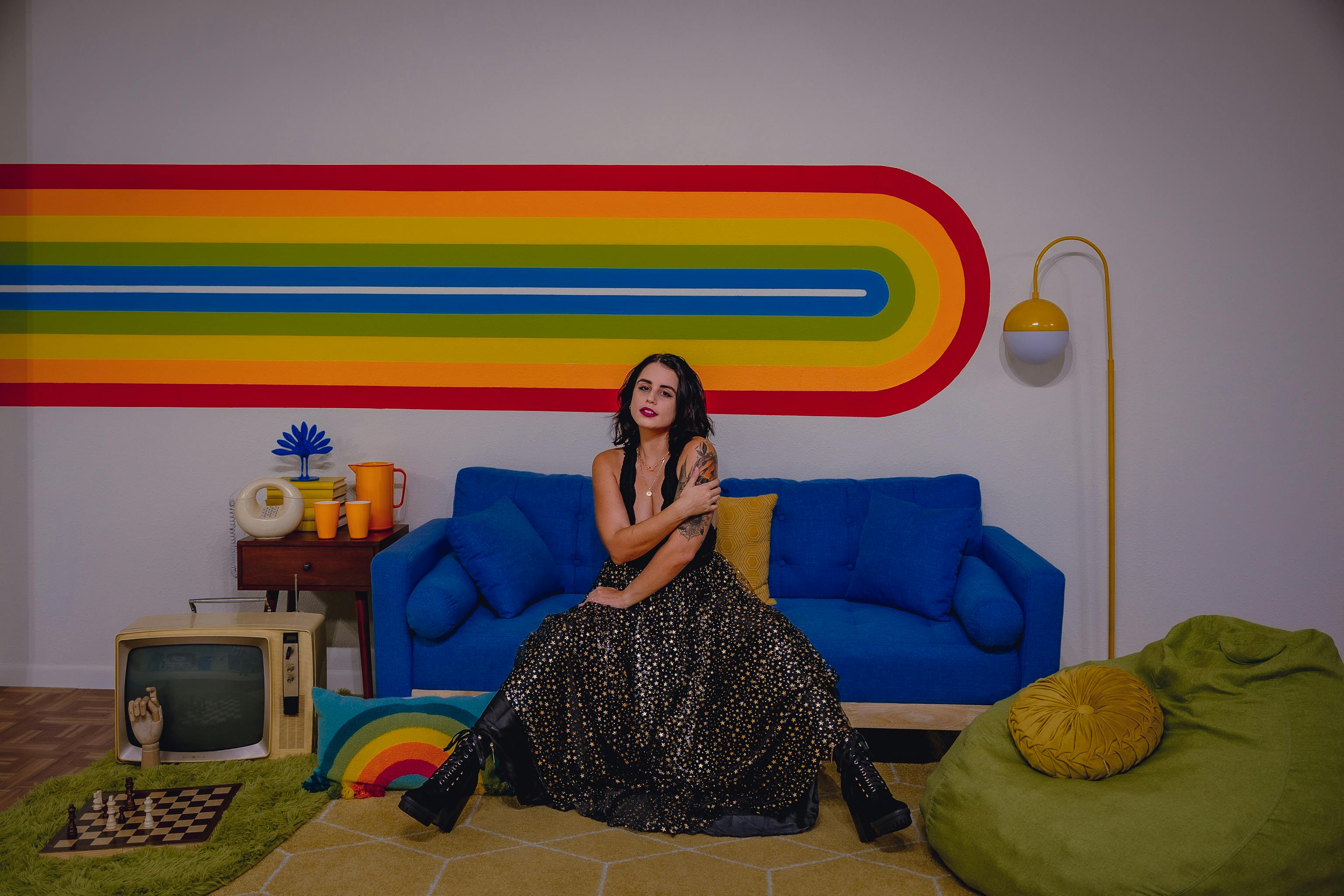
The 1970s were a dynamic decade characterised by a vibrant cultural tapestry that influenced fashion, furniture, and decor. This era was marked by significant social changes and a quest for self-expression which led to bold design choices and a departure from the preceding decades’ aesthetics. From the rise of the disco scene to the environmental movement, the influence of the 1970s is still echoed in contemporary styles. Here, we delve into the key trends that defined 1970s fashion, furniture, and decor.
1. Fashion: A Bold Expression of Individuality
The fashion of the 1970s was an eclectic mix of styles, influenced by various subcultures such as hippies, glam rockers, and disco fans. The decade embraced vibrant colours, bold patterns, and innovative silhouettes.
Key Trends:
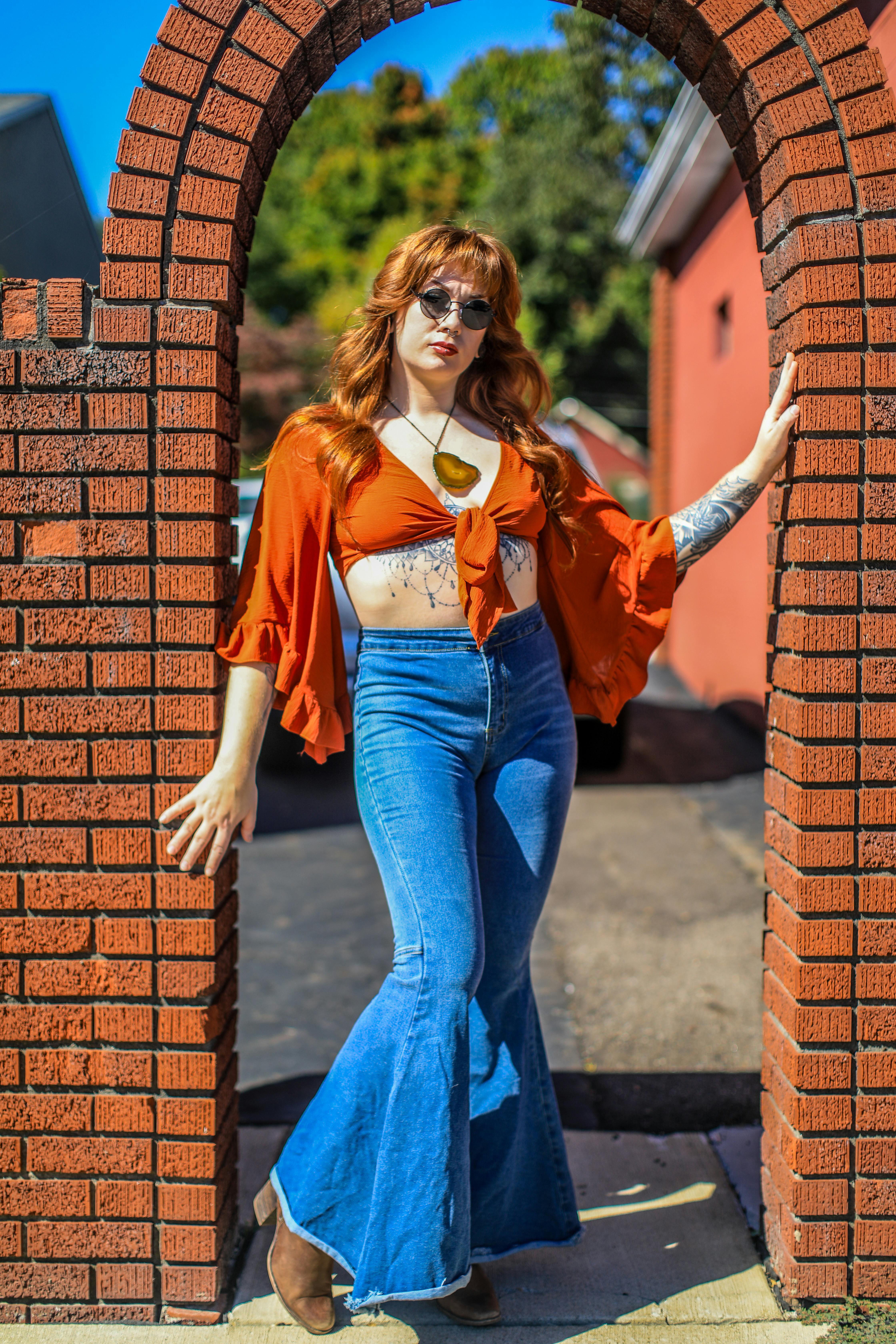
- Hippie Influence: The counterculture movement of the late 1960s continued to thrive in the 1970s, leading to a surge in bohemian fashion. Flowing maxi dresses, bell-bottom jeans, and peasant blouses became staples, often adorned with ethnic prints, floral motifs, and tie-dye patterns. Accessories like headbands, oversized sunglasses, and layered jewellery completed the laid-back look.
- Glam Rock: This genre introduced a flamboyant style that was all about theatricality. Men's fashion took a turn towards the extravagant with sequined suits, platform shoes, and eye-catching makeup. Icons like David Bowie and Elton John inspired a bold embrace of gender fluidity in fashion, encouraging both men and women to experiment with their wardrobes.
- Disco Fever: By the mid-to-late 1970s, disco culture exploded onto the scene. High-energy nightlife dictated fashion trends, with tight-fitting clothing, polyester fabrics, and metallic finishes. Women donned form-fitting dresses with plunging necklines (often referred to as “wrap dresses”), while men sported fitted suits and open-collared shirts.
2. Furniture: A Blend of Comfort and Funk
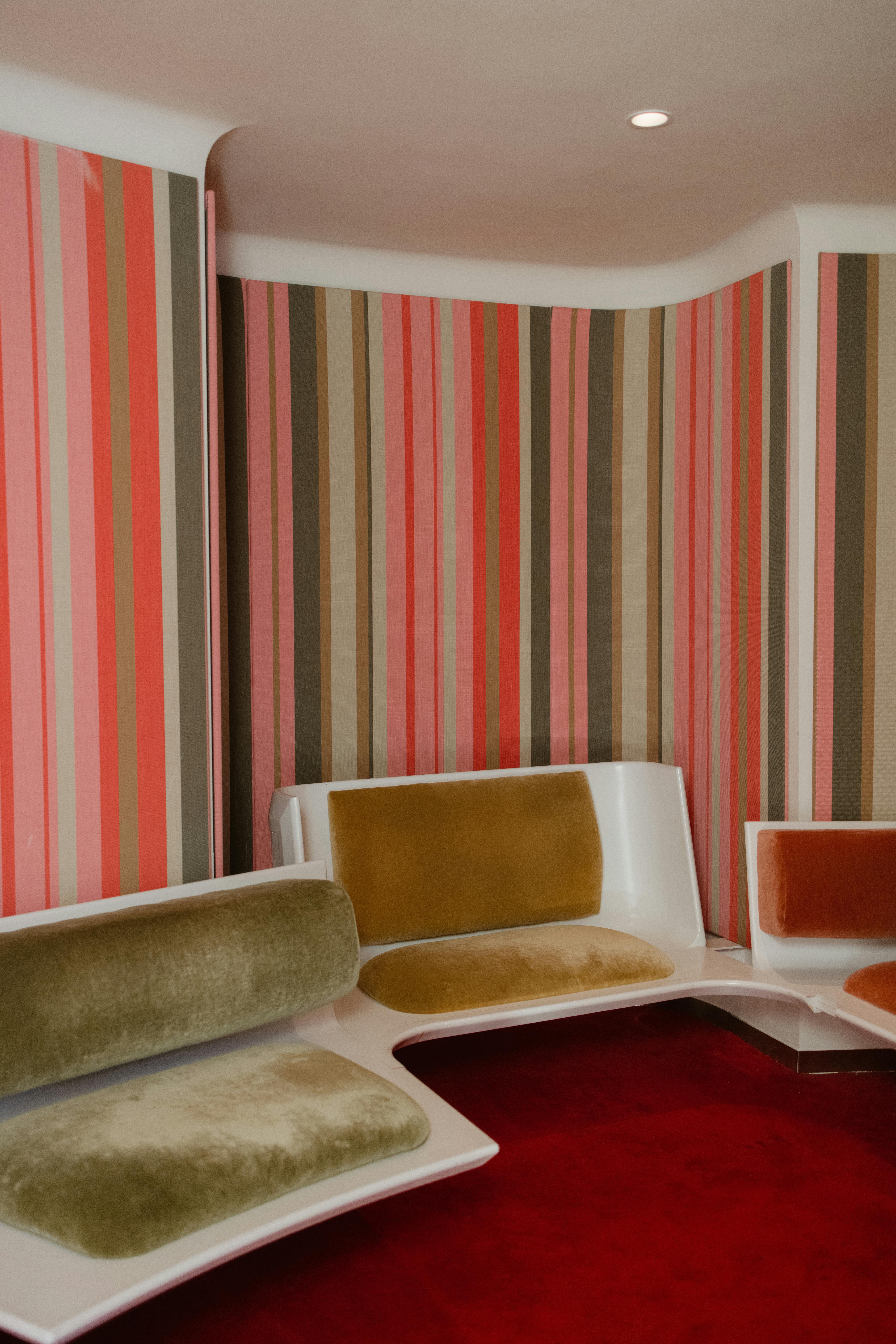
Similar to the shifts in fashion, the furniture trends of the 1970s were about breaking away from tradition and embracing new materials, shapes, and colours. The design world was marked by an interest in comfort, experimentation, and a dash of whimsy.
Key Trends:
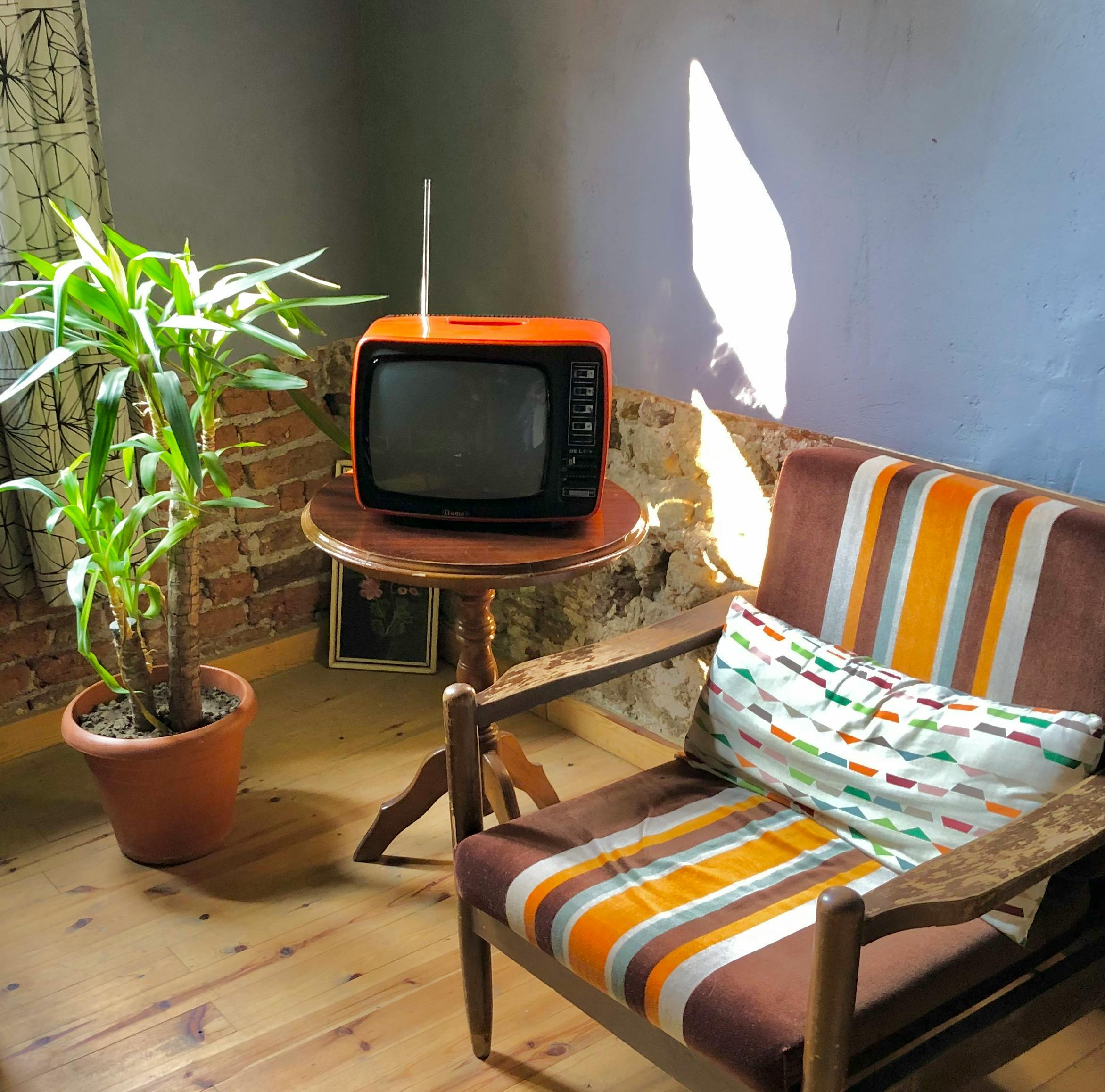
- Earthy Tones: The 1970s saw a shift towards warm, earthy hues such as burnt orange, olive green, mustard yellow, and browns. These colours dominated everything from sofas to kitchen appliances, moving away from the cooler palettes of the previous decade.
- Modular and Funky Shapes: The furniture of the 1970s emphasised modular designs, allowing for a flexible and playful approach to interior layout. Curved lines and geometric shapes characterised sofas, chairs, and tables, creating a relaxed atmosphere. Iconic designs like the “Egg Chair” by Arne Jacobsen and the “Sacco Chair” emphasised comfort and free-form design.
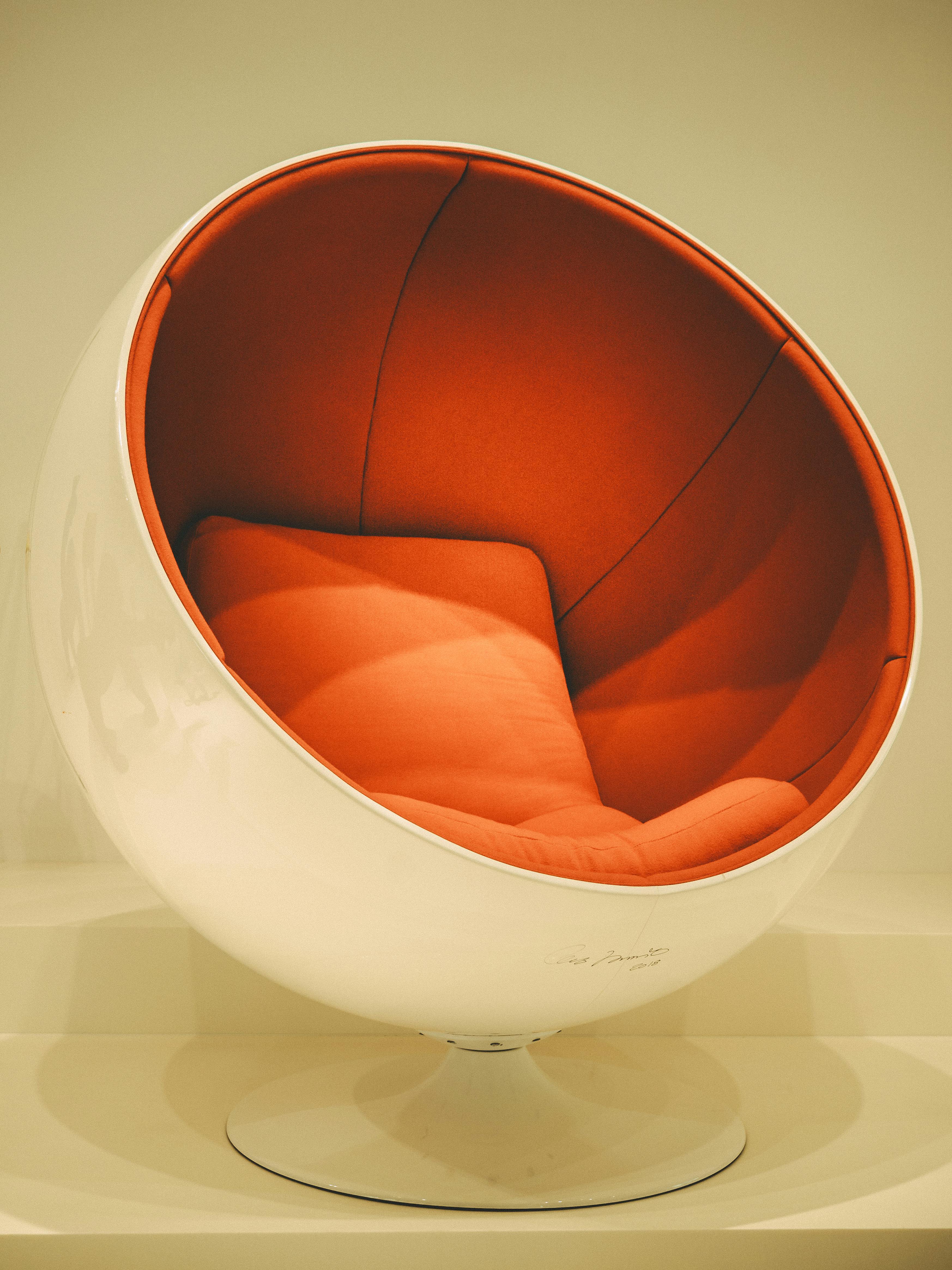
- Materials and Textures: A combination of natural materials and synthetic options defined the decade. Rattan, wicker, and wood were popular for their organic feel, while plastics and vinyl offered colourful splash. Textiles featured bold patterns, from psychedelic swirls to geometric designs, adding depth and character to living spaces.
3. Decor: A Celebration of Eclecticism
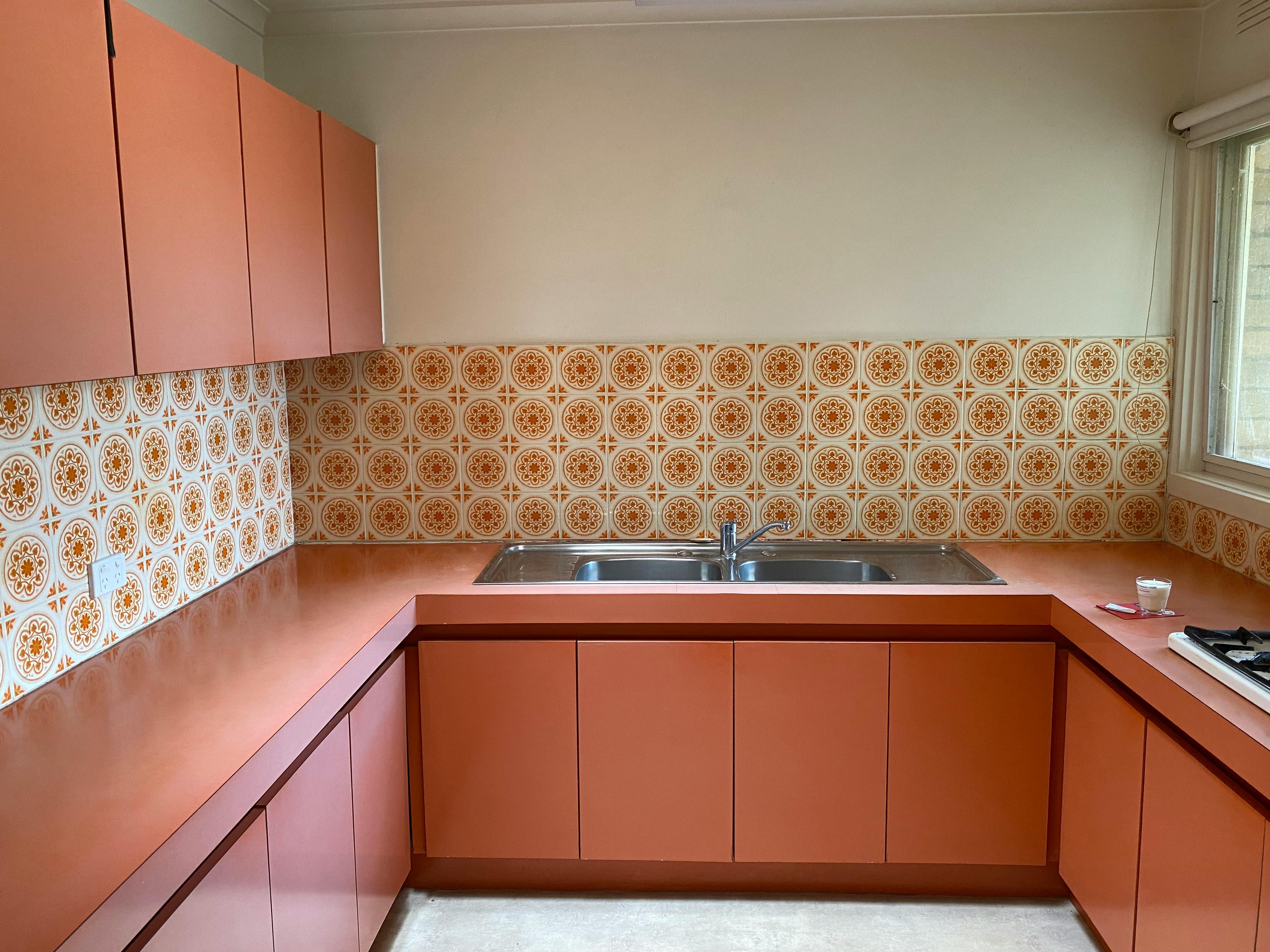
The decor trends of the 1970s celebrated an eclectic mix that combined vintage styles with a sense of modernity. This blend was reflective of social changes and a desire for unique personalisation within homes.
Key Trends:
- Macramé and Tapestries: The art of knotting yarn or cord into intricate patterns made a comeback, with macramé wall hangings becoming a staple in many homes. Tapestries depicting nature scenes or abstract designs added a boho vibe to the interiors.
- Plants and Indoor Gardens: The 1970s marked a renewed interest in houseplants, aligning with the environmental movement of the decade. The popularity of plants such as pothos and peace lilies led to the rise of “jungles” within households, with hanging planters and terrariums taking centre stage in decor.
- Pop Art Influences: The influence of pop art bubbled through the decor of the 1970s, as bold, graphic art prints and colourful ads became common as wall decor. This artistic movement was especially loved for its playful approach, challenging traditional aesthetics and embracing consumer culture.
Conclusion
The 1970s were a transformative decade that shaped not only fashion but also the design and decor landscape of homes. The era’s emphasis on individuality, creativity, and comfort can still be seen in modern trends, proving that the influences of the '70s are timeless. As we revisit these styles, we not only honour the legacies of the past but also find inspiration for our contemporary expressions of style and identity.